
Navigating the Digital Frontier: A Comprehensive Guide to Web Design and Development

In today's interconnected world, a robust online presence is no longer a luxury but a necessity.
Decoding Web Design and Web Development
Web design and web development are two distinct yet interconnected pillars that form the foundation of any successful website or online application. While often used interchangeably, understanding their unique roles is key to appreciating the complexity and artistry involved in building the digital spaces we navigate daily.
Web design focuses on the visual aesthetics and user experience (UX) of a website. It's about how a site looks and feels, encompassing elements like layout, color schemes, typography, imagery, and the overall flow of information. A web designer's goal is to create an intuitive, engaging, and visually appealing interface that guides users seamlessly through the site. As designer Melody Christian puts it, "design isn't about decoration, it's about purpose".
Web development, on the other hand, is the engineering behind a website, making sure everything functions smoothly behind the scenes. It involves transforming the designer's visual concepts into a functioning website using various programming languages and technologies. This includes the code that makes the website work, the databases that store information, and the systems that ensure speed and security. Essentially, if web design is the blueprint and interior styling, web development is the wiring, plumbing, and engineering.
The Pillars of Effective Web Design
Effective web design goes beyond mere aesthetics; it's about creating a purposeful and engaging experience for the user. Several core principles guide us in achieving this:
- User Experience (UX) and User Interface (UI): These are paramount. UX design focuses on making a website easy, efficient, and satisfying to use, understanding what visitors want, and helping them achieve their goals. UI design, a subset of UX, concentrates on the visual and interactive elements users engage with, ensuring they are intuitive and aesthetically pleasing. A superior user experience can boost visit-to-lead conversion rates by over 400%.
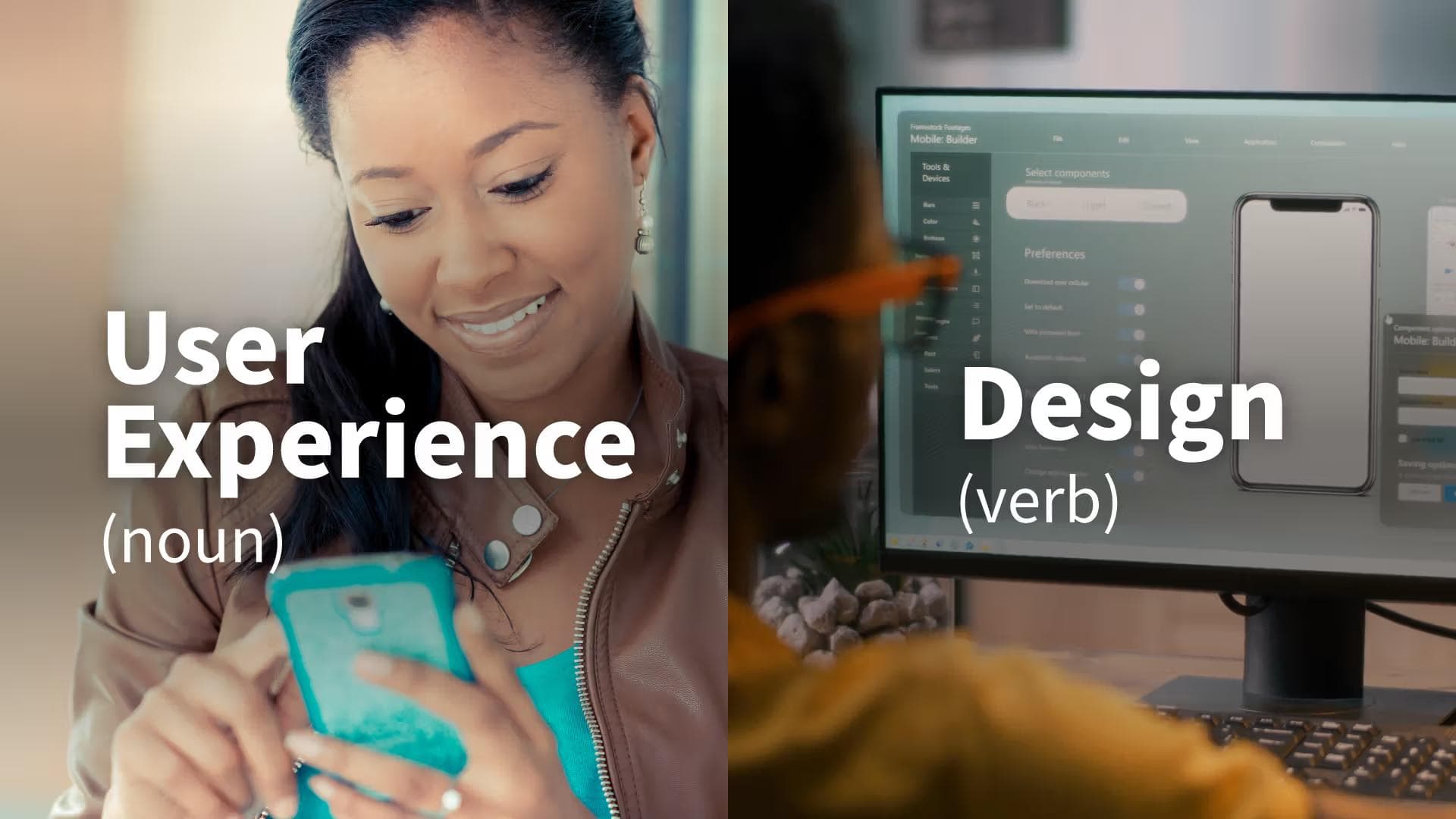
- Mobile-First Design and Responsiveness: With over 60% of global web traffic originating from mobile devices in 2024, designing for smaller screens first is non-negotiable. Responsive design ensures that a website looks good and performs well across all devices, from smartphones to desktops. Non-mobile optimized sites can face a 60% bounce rate, and 85% of customers believe a company's mobile site should be as good as or better than its desktop version.
- Simplicity and Visual Hierarchy: A straightforward, uncomplicated design with clean layouts, ample white space, and clear headings reduces confusion and helps visitors focus on important information. Visual hierarchy guides users' attention to key elements quickly, often using size, color, and positioning. "A designer knows he has achieved perfection not when there is nothing left to add, but when there is nothing left to take away," as Antoine de Saint-Exupéry wisely stated.
- Fast Loading Times: Speed matters significantly. People expect websites to load quickly, typically within two to three seconds. Slow loading times frustrate users and can lead to high bounce rates, with 88.5% of visitors abandoning a slow-loading page. Optimizing images, minimizing HTTP requests, and efficient coding are crucial for performance.
- Accessibility: Websites should be usable by everyone, including individuals with disabilities. Adhering to Web Content Accessibility Guidelines (WCAG) standards, such as providing alt text for images, sufficient color contrast, and keyboard navigation, expands the audience and is often legally required.
- Visual Consistency and Brand Identity: Maintaining consistency in layout, color schemes, font usage, and imagery helps users feel comfortable, builds trust, and reinforces brand identity.
Key Technologies Shaping Development in 2024
Modern web development is constantly evolving, with several technologies gaining prominence:
- Progressive Web Apps (PWAs): These combine the best aspects of web and mobile apps, offering fast loading, offline functionality, and a native-like experience without app store downloads. Companies like Starbucks and Twitter utilize PWAs for improved user experience.
- Serverless Architecture: This model allows developers to build and run applications without managing servers, automatically scaling with usage and reducing operational costs.
- WebAssembly (Wasm): Enables high-performance execution of code written in languages like C, C++, and Rust directly in the browser, boosting performance for computationally intensive tasks like gaming or 3D experiences.
- Artificial Intelligence (AI) and Machine Learning (ML): AI is transforming web development by offering intelligent automation, predictive analytics, personalized user experiences, and enhanced customer support through chatbots. Over 36% of web designers use AI tools in their work.
The Web Development Process: A Step-by-Step Guide
Building a successful website is a structured journey, typically involving several critical stages. While the exact number of steps may vary, the core process remains consistent.
Table: Typical Web Development Process Stages
| Stage | Description Web Most of the web design statistics come from sources that were published in 2023 or 2024.
- 1. Discovery & Information Gathering: We begin by understanding your business goals, target audience, and specific requirements. This involves researching user personas, competitor analysis, and defining the project scope.
- 2. Planning & Strategy: This phase lays the foundation, outlining the site structure, sitemap, and wireframes (basic visual blueprints). It also involves selecting appropriate technologies and creating a strategic roadmap.
- 3. Design (UI/UX): Here, the website takes shape visually. Our designers create mockups and prototypes, focusing on aesthetics, branding, and an intuitive user experience. This includes choosing color schemes, typography, and imagery, and ensuring responsive design across devices.
- 4. Content Writing & Assembly: High-quality, valuable content that addresses the target audience's needs is crucial. This stage involves creating and organizing all text, images, and videos for the website.
- 5. Development (Coding): Once the design is approved, our development team begins coding. Front-end developers convert design mockups into interactive code using HTML, CSS, and JavaScript, while back-end developers build server-side functionalities and database integrations.
- 6. Testing & Quality Assurance (QA): Before launch, rigorous testing is performed to ensure flawless performance. This includes checking every link, form, and script, running spell-checks, and verifying cross-browser compatibility and responsiveness across devices. Identifying and fixing bugs is a critical part of this stage. As Steve Krug wisely stated, "If you want a great site, you've got to test".
- 7. Deployment & Launch: After thorough testing and client approval, the website is uploaded to a server and officially launched, making it accessible to the public.
- 8. Maintenance & Continuous Improvement: The process doesn't end at launch. Regular updates, security checks, performance monitoring, and content refreshes are essential to ensure the website remains relevant, secure, and functional.
Modern Trends and the Future of Web Development
The landscape of web development is in constant flux, driven by technological advancements and evolving user expectations. Staying abreast of these trends is crucial for building competitive and future-proof web applications.
- AI-Powered Web Development and Personalization: Artificial Intelligence is revolutionizing how we build and interact with websites. AI-driven tools assist with coding, debugging, and optimizing web applications, improving productivity and code quality. AI also enables personalized content recommendations, intelligent search, automated customer support via chatbots, and enhanced user experiences. Over 62% of business leaders have already invested in AI solutions.
- Low-Code and No-Code Platforms: These platforms are making web development more accessible and faster, allowing both developers and non-developers to create web applications with minimal coding. They are particularly useful for rapid prototyping and launching new projects.
- Enhanced Cybersecurity: With the increasing volume of user data and growing cyber threats, robust security practices are more crucial than ever. This includes security testing, regular dependency updates, vulnerability scanning, and incident response planning.
- Voice User Interfaces (VUI) and Voice Search Optimization: The rise of smart speakers and voice-activated devices makes optimizing websites for voice search and integrating VUIs increasingly important, improving accessibility and user convenience.
- Immersive Design with 3D and AR/VR: Thanks to improvements in browser performance, 3D visuals and immersive design elements are becoming key trends, offering more dynamic and visually stimulating environments that captivate users. Augmented Reality (AR) and Virtual Reality (VR) technologies are providing interactive experiences, as seen in apps like IKEA Place, which lets users visualize furniture in their homes.
- Composable Architectures: This approach emphasizes building scalable systems by assembling pre-built, interchangeable components, promoting reusability and accelerating development cycles.
Best Practices for a Successful Website
Creating a successful website involves more than just good design and robust development; it requires adherence to best practices that ensure long-term performance, security, and user satisfaction.
- Prioritize User Experience (UX): Always design with the user's needs and preferences at the forefront. This means clear navigation, easy-to-use menus, and intuitive interactions. "People ignore design that ignores people," as Frank Chimero aptly put it.
- Optimize for Mobile-First: Given that mobile devices account for a significant portion of web traffic, designing for mobile devices first is critical. This ensures a seamless experience across all screen sizes.
- Ensure Blazing Fast Performance: Users expect websites to load quickly. Optimize images, minify code, enable browser caching, and reduce HTTP requests to achieve fast loading times.
- Maximize Web Accessibility: Design for inclusivity, ensuring your website is usable by individuals with diverse abilities. Follow WCAG standards and provide features like alt text for images and keyboard navigation.
- Implement Strong Security Measures: Protect your website and user data from cyber threats. This includes using HTTPS, regular security audits, and keeping all software and plugins updated.
- Optimize for Search Engines (SEO): A well-developed website is inherently SEO-friendly. This includes fast load times, mobile-first design, proper use of header tags, appropriate meta descriptions, and a well-structured URL.
- Maintain Visual Consistency and Clear Branding: Consistency in design elements like color, typography, and imagery reinforces brand identity and builds trust.
- Regular Updates and Maintenance: Websites are living entities. Consistent updates to content, plugins, and themes, along with periodic audits for functionality and errors, are essential for continued success.
- Use Clear Calls-to-Action (CTAs): Guide users towards desired actions with prominent and well-designed CTA buttons.
Frequently Asked Questions (FAQ)
Here, we address some common inquiries about web design and development.
- Q: How much does designing and developing a custom website cost? A: The cost varies significantly based on factors like design complexity, number of pages, custom features, and integrations. A simple informational website might range from $5,000 to $20,000, while complex sites with e-commerce or custom systems can exceed $20,000 to $50,000 or much more.
- Q: How long does it take to build a website? A: The timeline typically ranges from 4 to 12 weeks, depending on the project's size, complexity, and the need for customizations or third-party integrations. Content creation and client feedback can also influence the duration.
- Q: Do I need to know how to code to build a website? A: Not necessarily. While coding is fundamental to web development, many platforms (like content management systems or no-code/low-code tools) allow individuals to build websites without extensive coding knowledge. However, for custom functionalities and complex projects, a developer's coding expertise is essential.
- Q: What is responsive web design? A: Responsive web design is an approach that ensures a website's layout and content adapt seamlessly to different screen sizes and devices (desktops, tablets, smartphones). This provides an optimal viewing and interaction experience for all users.
- Q: How often should I update my website? A: Regular updates are crucial for security, performance, and relevance. This includes updating content, plugins, themes, and performing security checks periodically.
Conclusion: Building a Digital Future
The journey of web design and development is a continuous evolution, marked by innovation, creativity, and a relentless focus on the user. From the initial spark of an idea to the intricate lines of code that bring it to life, every step is vital in crafting the digital experiences of tomorrow. As technology advances, particularly with the integration of AI and the emphasis on immersive and accessible design, we are collectively building a digital future that is more intuitive, engaging, and personalized than ever before. By understanding and embracing the principles and practices outlined here, we can continue to create websites that not only meet current demands but also anticipate and shape the needs of the evolving online world.